Thin hair tends to respond better to structure than volume tricks. The goal is not to force thickness but to create visual density through clean lines, controlled layers, and strategic movement. Shorter and mid-short styles usually perform best because they reduce weight that pulls hair flat. The right cut can change how hair sits naturally, making it easier to style and maintain without constant effort. These options focus on realistic salon cuts that consistently work for fine or low-density hair.
Blunt Bob
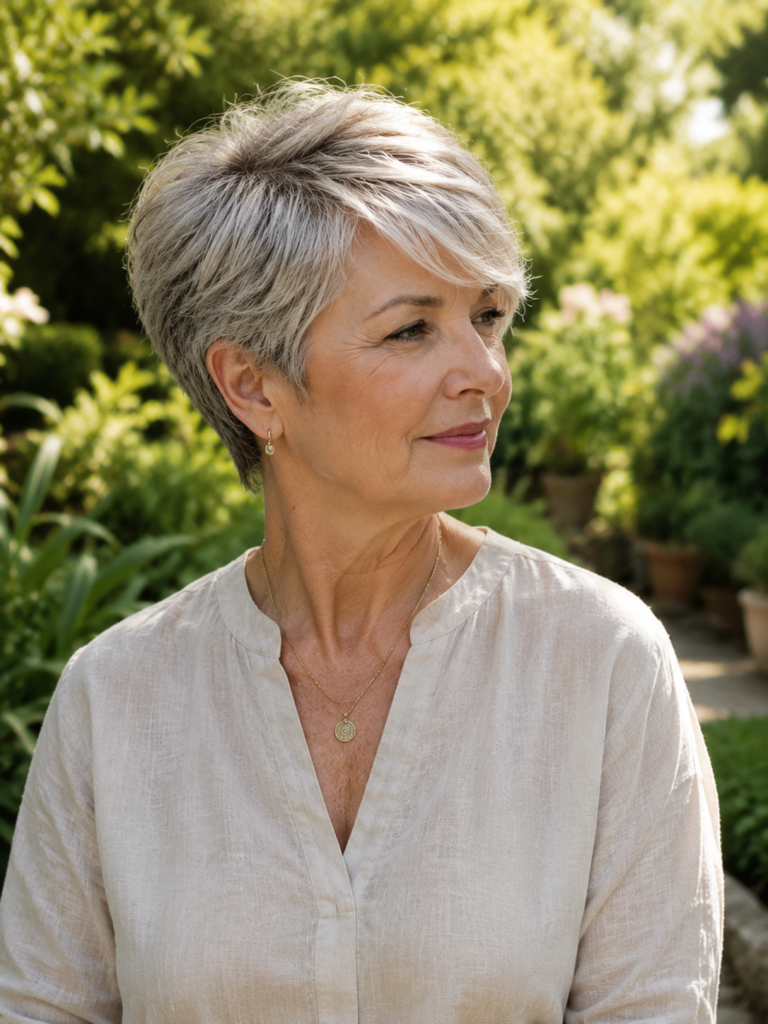
A blunt bob relies on a strong, even perimeter to create the illusion of thickness. The cut sits around the jaw or slightly below it. Minimal layering keeps the ends solid and full-looking. A center part enhances symmetry, while a slight bend under the ends adds softness. This style is especially effective for straight thin hair that needs structure rather than added texture.
Chin-Length Layered Bob
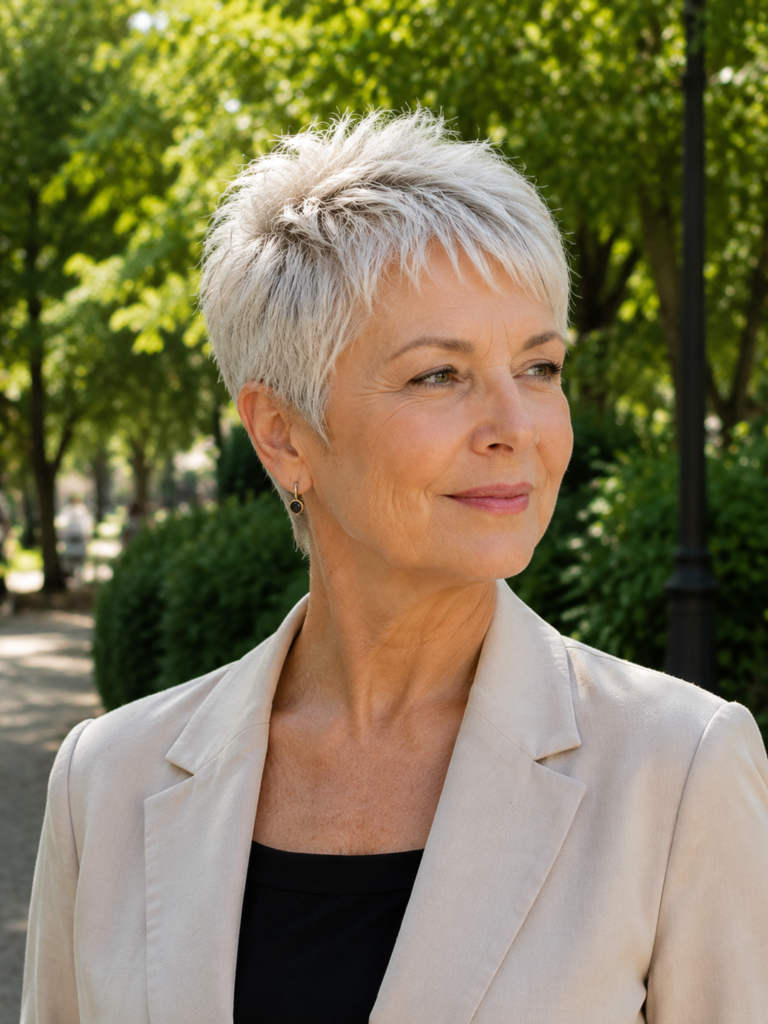
Layers placed through the mid-section help thin hair move without losing shape. The chin-length anchor keeps the overall silhouette strong. Ends stay full while internal layers reduce flatness. A round brush finish adds gentle curvature. This cut works well for daily wear because it balances softness and structure without requiring heavy styling.
Pixie Cut with Long Crown
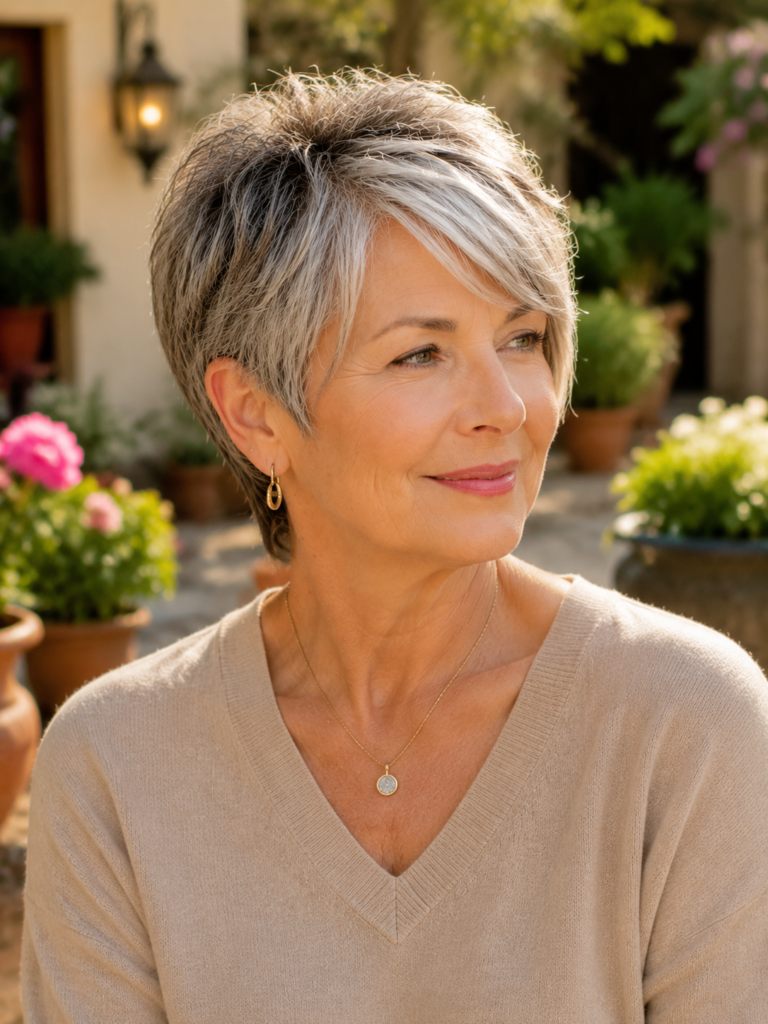
This pixie keeps the sides short while leaving extra length at the crown. The longer top creates lift and prevents a flat appearance. Light layering helps separation without thinning the outline. A side sweep adds direction. It works best when styled with minimal product and a quick root lift during drying.
Textured Pixie Crop
A textured crop uses uneven layers to break up flat areas in thin hair. The crown is slightly longer with choppy ends for movement. The sides stay tight to keep structure intact. Styling is quick and finger-based. A small amount of matte product helps define separation without weighing hair down.
Bixie Cut
The bixie blends bob length with pixie structure. It typically sits around the cheekbone area with a tapered back. Crown layers add lift while front pieces frame the face softly. It works well for thin hair because it builds shape through layering rather than weight. It also grows out evenly.
French Bob
A French bob sits near the jawline with a compact, slightly rounded shape. Light internal texture keeps it from feeling too heavy. A soft fringe or face-framing pieces enhance balance. It works well for fine hair because the shorter length prevents collapse while still maintaining softness around the edges.
Graduated Bob
This cut angles from a shorter back to a longer front. The graduation builds natural lift at the crown. Layers remain controlled to avoid thinning the ends. A side part enhances the angled shape. It suits thin hair that needs structure with a bit of movement built into the shape.
Stacked Bob
Stacking in the back creates visible volume by layering upward toward the crown. The front stays slightly longer for balance. This cut gives fine hair a fuller silhouette without heavy styling. Blow-drying the back with lift enhances the stacked structure. It is practical for maintaining shape throughout the day.
Asymmetrical Bob
One side is slightly longer, creating visual interest that distracts from thin density. The cut remains clean at the back with minimal layering. A side part emphasizes the uneven shape. It works well for people who prefer modern structure over symmetry while still keeping styling simple.
Wedge Cut
The wedge cut uses stacked layers at the back to build lift and roundness. The crown appears fuller due to internal structure. The front remains longer for balance. This cut holds shape well and is low-maintenance, making it suitable for thin hair that needs consistent volume.
Feathered Crop
Feathered layering creates light separation throughout the top and sides. The cut avoids heavy edges, allowing movement without losing structure. The back stays tapered for neatness. It works well when hair needs softness and lift without harsh lines or blunt weight distribution.
Soft Shag Bob
A shag-inspired bob introduces light layering around the crown and ends. The texture creates movement that makes hair appear fuller. The perimeter stays slightly uneven but controlled. It works best with natural wave or light styling to enhance separation.
Micro Bob
A micro bob sits above the jawline with a sharp, compact outline. The shorter length concentrates density visually. Minimal layering keeps the shape strong. It is effective for fine hair that struggles with volume at longer lengths. Styling is simple and usually requires smoothing only.
Layered Pixie Bob
This hybrid cut combines short back structure with longer front pieces. Layers are placed through the crown for lift. The front frames the face softly. It creates a balanced silhouette that avoids flatness while still keeping length variation for styling flexibility.
Curved C-Curl Bob
Ends are styled inward to form a soft C shape. This creates the illusion of fullness at the perimeter. The cut remains simple with minimal layers. It is especially effective for straight thin hair that benefits from controlled shaping rather than texture.
Side-Swept Pixie
A deep side part shifts volume visually across the top. The longer fringe sweeps across the forehead, adding softness. The opposite side remains shorter for contrast. This cut is low maintenance and relies more on direction than layering for its effect.
Jaw-Length Classic Bob
This bob sits exactly at the jawline, creating a defined frame. The ends remain even with minimal internal cutting. It works well for thin hair because the strong perimeter holds shape well. A slight inward bend adds polish without reducing fullness.
Choppy Pixie
Choppy layers break up flat sections and create movement. The crown is slightly longer while the sides remain tight. Texture is the focus here rather than smoothness. It works well when hair needs visual separation to appear thicker.
Short Shag Cut
The short shag uses layered structure throughout the crown and sides. The ends are softened rather than blunt. It enhances natural texture and prevents flatness. It works best with light styling products that encourage separation and lift.
Tapered Pixie
The tapered pixie keeps the neckline clean while gradually shortening toward the back. The crown remains slightly longer for lift. The shape is controlled and easy to maintain. It is one of the most reliable cuts for fine hair because it holds structure naturally.
Collarbone Lob for Thin Hair
A collarbone-length lob adds slight weight while still allowing movement. Subtle layers prevent flatness without reducing density. A soft wave can enhance fullness. It is the longest option in this list but still suitable for thin hair when kept lightly textured.