There is a quiet rule most stylists notice first with fine hair: weight removal is not the answer, structure is. Cutting too softly often leaves hair collapsing within hours. The better approach is controlled shape, clean edges, and strategic layering that creates the illusion of density. Short lengths work especially well because they remove drag and allow lift at the roots. The right cut can make thin hair look intentionally styled rather than simply shorter. Each option below focuses on visible body, movement, and easy daily maintenance.
Pixie Crop with Soft Layers
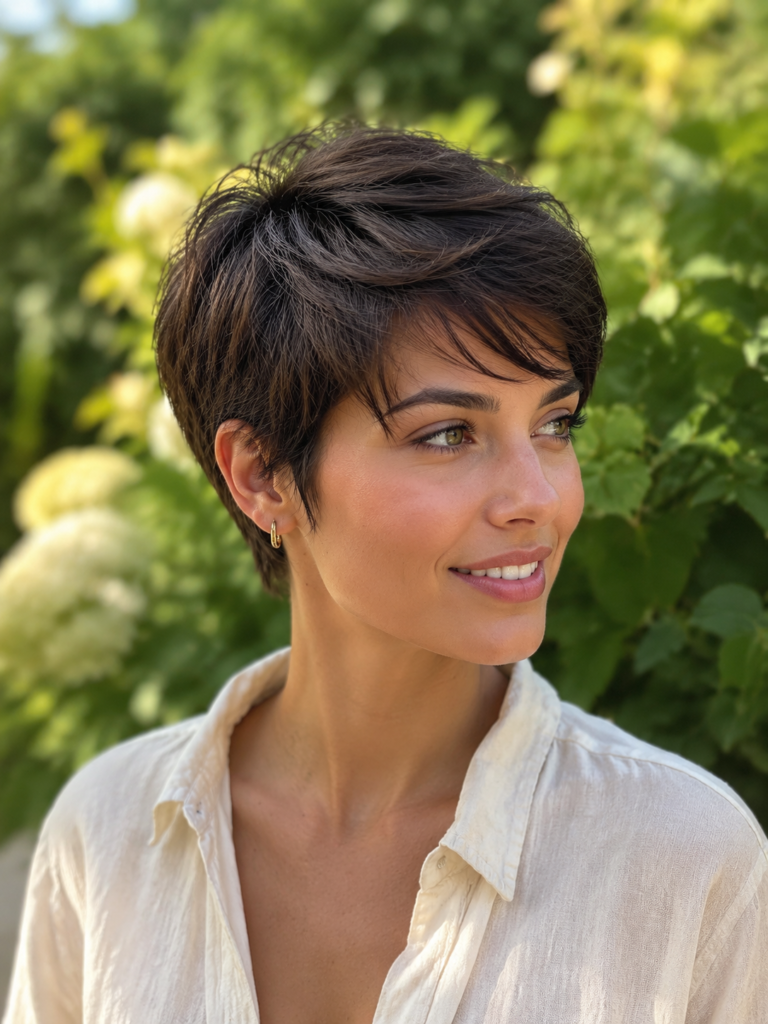
A pixie crop works best when the top is slightly longer than the sides. This creates height without heaviness. Soft layering on fine hair prevents the crown from falling flat during the day. The fringe can be lightly textured to avoid harsh lines. Keep the back tapered close for structure. Styling usually needs only a light volumizing spray and finger shaping. It is efficient, controlled, and visually fuller without requiring heavy product buildup.
Blunt Jawline Bob
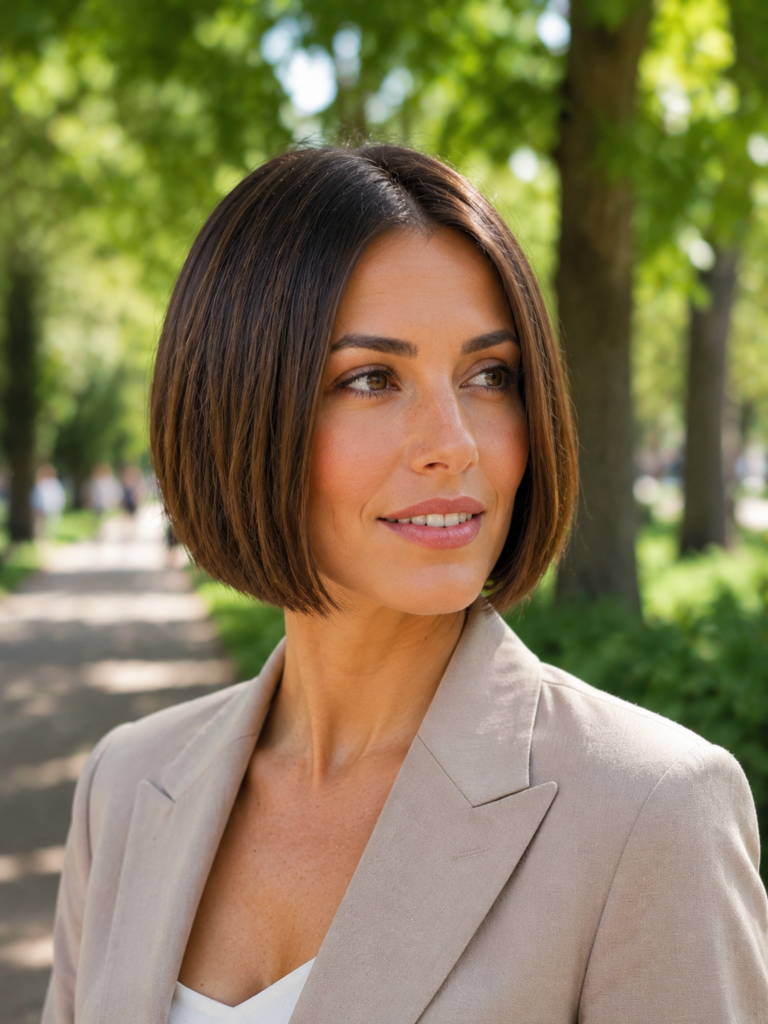
A blunt jawline bob relies on precision rather than layering. The clean cut creates a stronger perimeter, which helps fine hair appear denser. Ends sit evenly around the jaw, giving the illusion of thickness. Minimal internal layering keeps the shape solid. A middle or soft side part can adjust balance. Blow drying with slight bend under the ends enhances body. It suits anyone wanting structure without visible layering.
French Bob with Micro Fringe
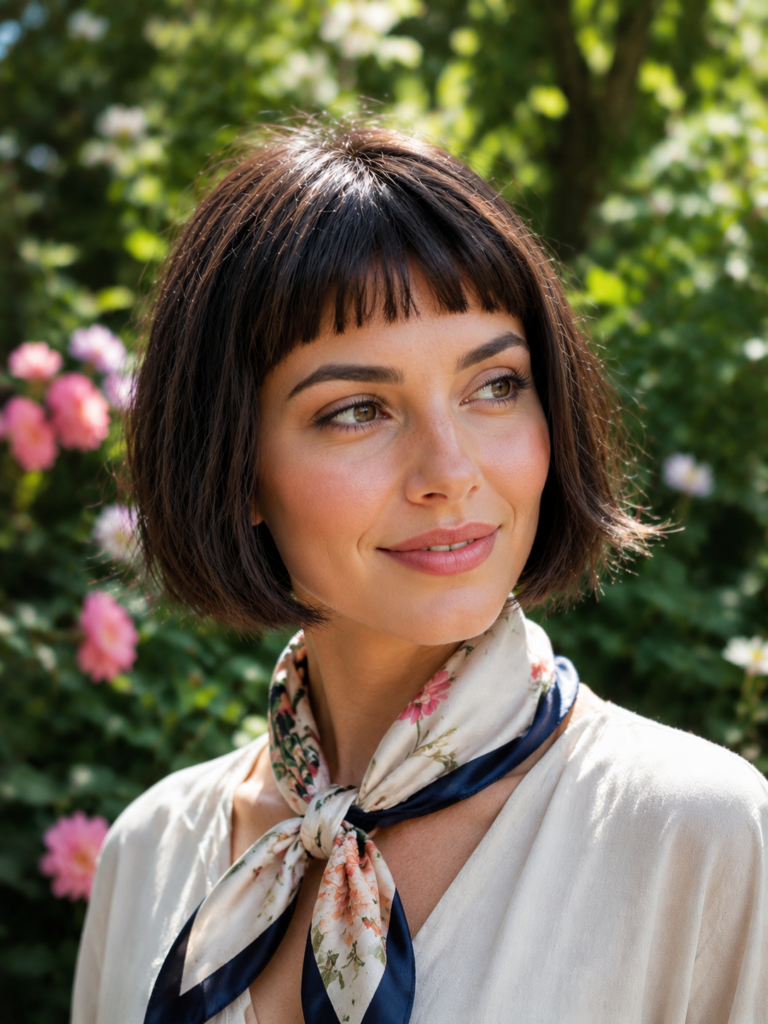
This style sits just below the cheekbone and pairs with a short fringe. The compact length prevents thin hair from dropping flat. Slight internal texture allows movement without removing too much weight. The fringe draws attention upward, creating balance across the face. A light wave adds softness without losing structure. It works well when hair is naturally straight or slightly wavy and needs controlled volume at the top.
Bixie Cut with Crown Lift
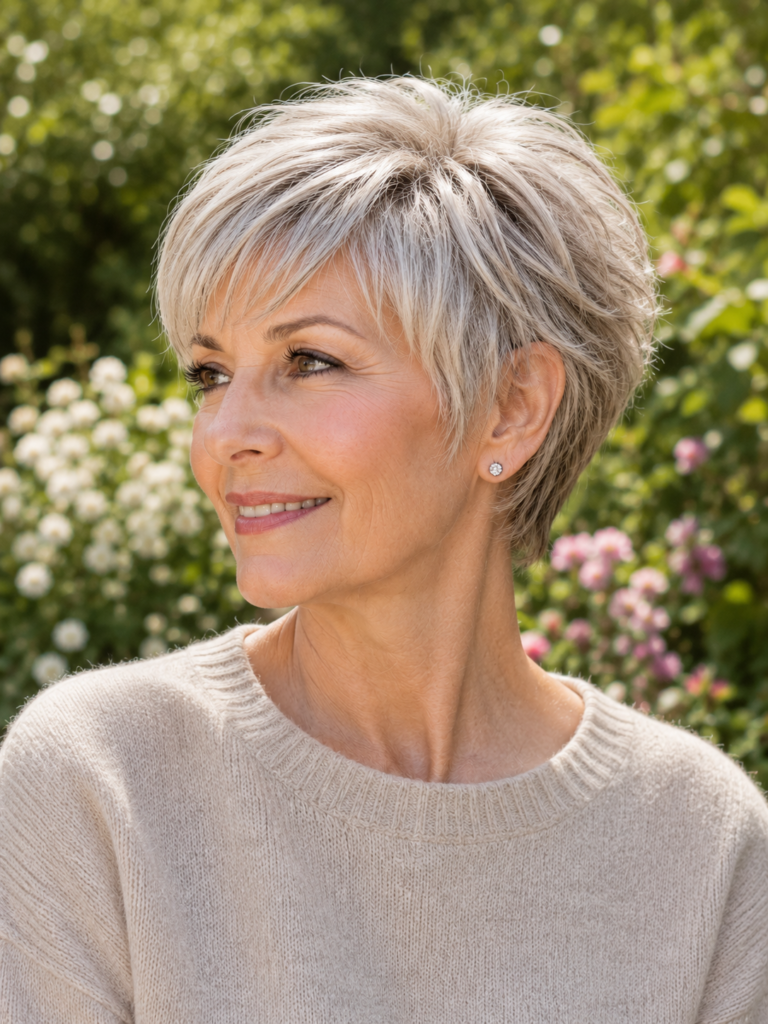
The bixie blends pixie and bob elements, giving fine hair more visual density. Shorter sides support a fuller crown, which is kept slightly longer for lift. Subtle layering through the top prevents heaviness while maintaining shape. It avoids the overly soft collapse that can happen with longer bobs. Styling focuses on root lift and directional drying. The result is a balanced silhouette with movement at the crown.
Textured Pixie with Choppy Ends
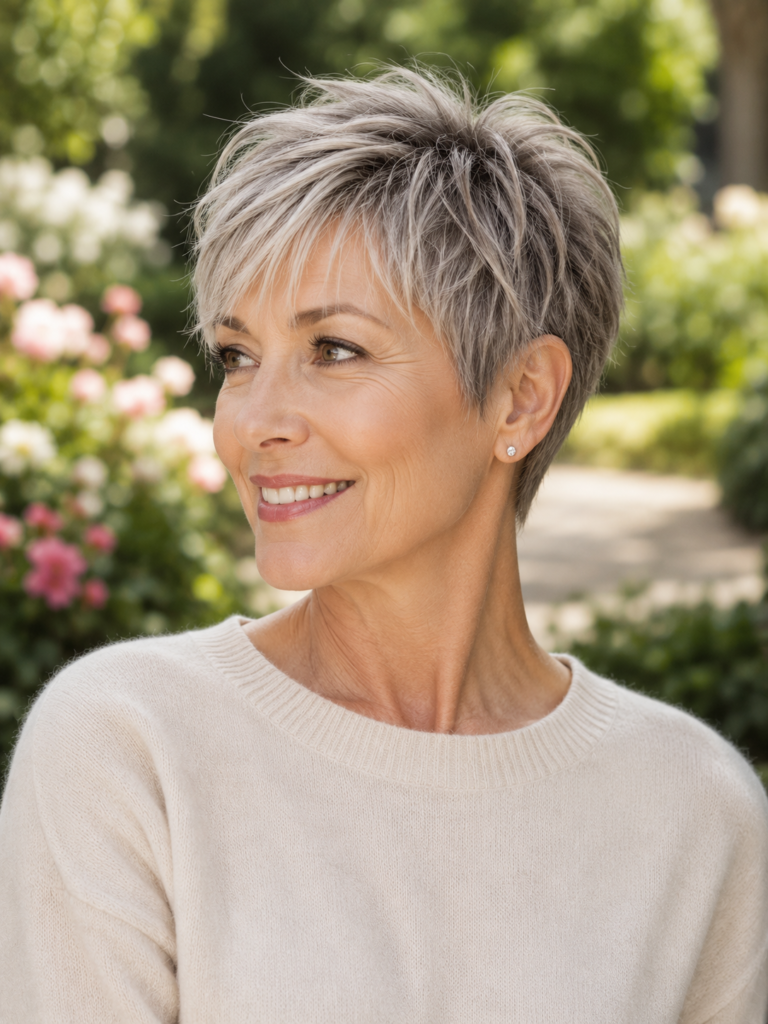
A textured pixie uses uneven, choppy ends to create the appearance of thickness. Fine hair benefits from this irregularity because it breaks up flat surfaces. The crown is left slightly longer for styling flexibility. Sides remain controlled but not overly tight. Lightweight styling cream helps define separation without stiffness. It works best when hair is cut to encourage natural lift rather than forced volume.
Chin Length Layered Bob
A chin length layered bob introduces soft internal layers that prevent a flat outline. The layers are concentrated mid-length rather than at the ends. This helps fine hair move without losing structure. The chin-length anchor keeps weight concentrated enough to avoid collapse. A slight inward bend at the ends gives a fuller edge. It is a balanced choice for everyday wear with minimal styling effort.
Pixie Bob Hybrid Cut
This hybrid sits between a pixie and a short bob, usually grazing the cheekbone. The back is slightly shorter, creating lift at the crown. Front sections are left longer for framing. Fine hair benefits from this contrast in length because it builds shape visually. Light layering prevents bulk loss. Styling can be quick, relying on air drying with a bit of root support product.
Jawline Tapered Bob
A tapered bob narrows subtly toward the nape, which gives thin hair a controlled silhouette. The jawline remains the visual anchor. Soft graduation through the back prevents heaviness while keeping fullness at the sides. This balance helps create the impression of density. It works particularly well with straight hair. A round brush finish enhances shape without flattening the structure.
Micro Bob with Clean Edge
A micro bob sits above the jaw and relies on a sharp outline. Fine hair often benefits from shorter lengths like this because density becomes more concentrated. The clean edge makes hair appear thicker at the perimeter. Minimal layering keeps structure intact. It requires regular trimming to maintain shape. Styling is straightforward, usually involving smoothing and slight tuck under at the ends.
Wedge Cut with Volume Stack
The wedge cut uses stacked layers at the back to build lift. Fine hair gains structure through this graduated shape. The crown is lifted naturally by the cut geometry rather than heavy styling. Front sections remain longer for balance. It creates a rounded silhouette that supports fullness. Blow drying the back upward enhances the stacked effect without extra product weight.
Graduated Bob with Soft Back Lift
A graduated bob builds volume through subtle length variation from back to front. The back is slightly shorter, creating lift that supports thin hair. Layers are controlled to avoid thinning out the ends. This structure helps maintain a fuller outline around the head. The front remains longer for framing. It works well when hair needs shape that holds throughout the day without constant restyling.
Asymmetrical Short Bob
An asymmetrical bob uses uneven length to create visual interest and perceived density. One side is slightly longer, which disrupts flatness in fine hair. The imbalance draws attention to structure rather than thickness alone. Internal layers remain minimal to preserve weight. Styling often involves smoothing with a slight bend. It suits those who want movement without heavy layering or soft diffusion.
Feathered Crop with Light Movement
A feathered crop introduces soft, directional layers that lift away from the head. Fine hair benefits from this separation because it reduces flat adherence to the scalp. The feathering is subtle, not overly thinned. The silhouette remains compact but airy. Styling typically involves light blow drying with lift at the roots. It creates a soft, controlled texture without losing definition.
Shaggy Bob with Soft Ends
A shaggy bob introduces controlled irregularity through light layering at the ends. Fine hair gains movement without becoming overly sparse. The top layers add gentle lift while the perimeter stays soft. This prevents a heavy bottom line. It works best with minimal styling effort and natural texture. A slight wave enhances dimension and keeps the overall shape from looking static.
C-Curl Short Bob
The C-curl bob uses inward bending ends to create the illusion of fullness. Fine hair appears denser when the ends curve consistently under the jaw or cheekline. The structure is simple, with minimal layering. Blow drying with a round brush reinforces shape. It is especially effective for straight hair that needs controlled volume at the perimeter without added weight at the crown.